Tips for Successfully Sharing a Kitchen with Co-Workers

Sharing a kitchen with co-workers can be challenging. Different habits, schedules, and preferences often lead to misunderstandings or conflicts. Yet, a shared kitchen can become a pleasant space that supports teamwork and comfort during breaks. The key is to create clear guidelines and foster respect among everyone who uses the space.
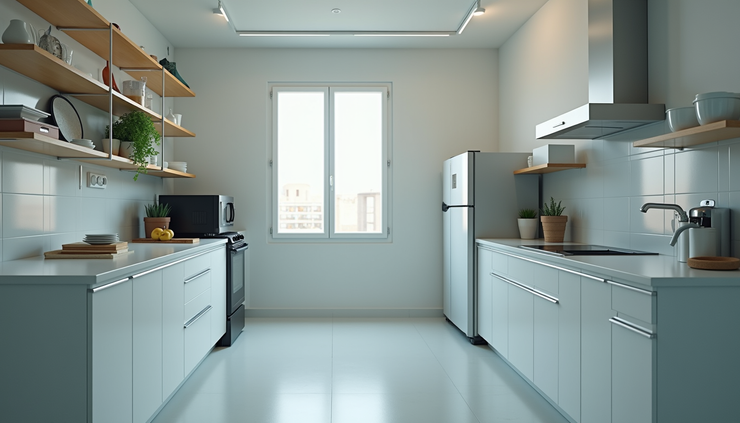
Set Clear Rules for Kitchen Use
Start by agreeing on basic rules that everyone follows. These rules should cover:
Cleaning up immediately after use
Labeling personal food and drinks
Using appliances properly and safely
Avoiding strong-smelling foods that might bother others
Respecting shared storage space limits
Having these rules written and posted in the kitchen helps remind everyone and reduces confusion. For example, a simple sign near the sink can say, “Please wash your dishes right after use.”
Create a Cleaning Schedule
A shared kitchen can quickly become messy if no one takes responsibility for cleaning. A rotating cleaning schedule works well. Assign each person or team a day or week to:
Wipe down counters and tables
Clean the microwave and fridge handles
Take out the trash and recycling
This system spreads the workload fairly and keeps the kitchen inviting. If your office is large, consider a checklist to track tasks and ensure nothing is missed.
Organize Storage Space Efficiently
Limited fridge and cupboard space often causes tension. To avoid this:
Use clear containers with names and dates
Allocate specific shelves or drawers for each person or team
Remove expired or forgotten items regularly
Encourage everyone to check the fridge weekly and clear out old food. This practice keeps the kitchen fresh and prevents unpleasant smells.
Communicate Openly and Respectfully
Good communication is essential. If someone leaves a mess or uses your food without permission, address it calmly and directly. Avoid assumptions or blaming. Instead, say something like, “I noticed the coffee I brought is missing. Could we agree on labeling our items more clearly?”
Also, be mindful of noise and timing. If you need to use the kitchen during busy hours, try to be quick and courteous to others waiting.
Bring Personal Items Thoughtfully
When bringing personal appliances like coffee makers or lunchboxes, consider the shared space. Choose compact, easy-to-clean items and store them neatly. Avoid leaving personal items out for long periods.
Encourage Positive Habits
Small gestures can improve the shared kitchen experience:
Bring extra snacks or coffee occasionally
Offer to help clean up after group events
Share tips for keeping the kitchen tidy
These actions build goodwill and make the kitchen a friendlier place.



Comments